
Product Image

Gonalia®

Advanced support for 
physiological processes  
involved in the regulation  
of Hormonal Activity

What is it?

An Advanced Innovative Formulation, 

developed to support young women 

of childbearing age presenting with:


  • Menstrual cycle alterations (Amenorrhea)
  • Polyendocrine Metabolic Ovarian Syndrome (PMOS)
  • Mild signs of hyperandrogenism (associated with PCOS)
When to use Gonalia®

Thanks to the neuroendocrine effect Gonalia® acts by counteracting the clinical signs of hyperandrogenism (Malvasi et al. 2022) associated with PMOS and Menstrual Cycle Irregularities.

How to use?

The recommended daily dose is to take 2 tablets a day between meals.       


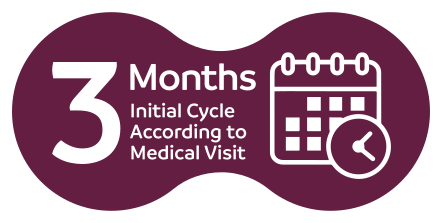
Beneficial effects are noticeable with continuous use of the product for at least 3 months, which may be extended according to the recommendation of the medic.


bollo-gonalia.pn

Gonalia®

Effects of Gonalia in women with menstrual cycle irregularities:

  • Promotes menstrual cycle regularity               
     
  • Reduces symptoms of dysmenorrhea

The efficacy of Gonalia has been demonstrated by a clinical study conducted in 39 women with menstrual cycle alterations:

CLINICALLY TESTED

Learn more about clinical studies
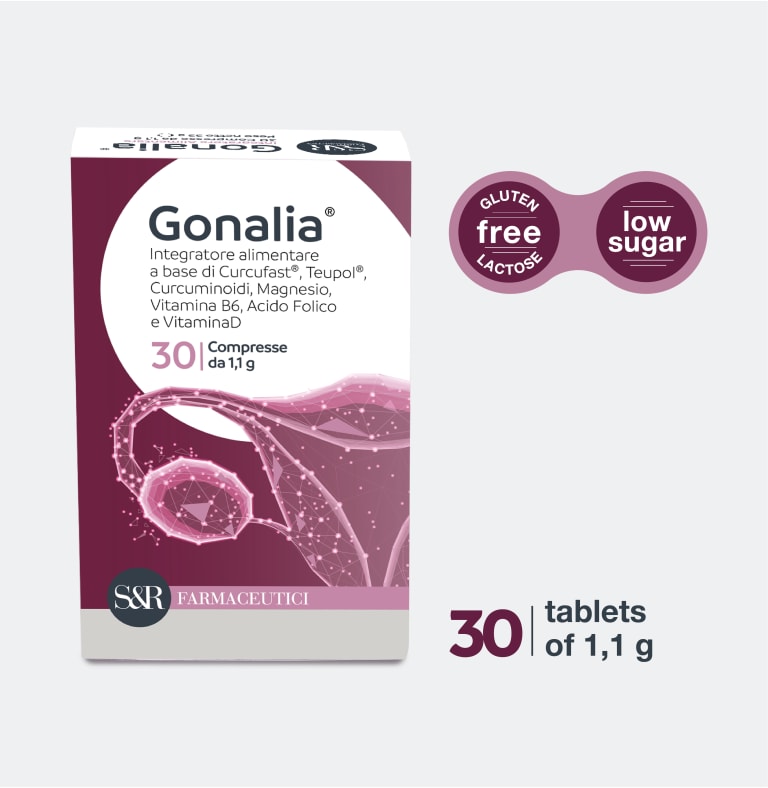
Gonalia®

Valuable support in women with PMOS to: 

  • Promote menstrual cycle regularity 
  • Improve hyperandrogenic manifestations, such as acne and hirsutism, associated with altered hormonal parameters
CLINICALLTY TESTED

Learn more about clinical studies:

When sports affect
the menstrual cycle

Physical activity plays an important role in the balance of the menstrual cycle, but when it is excessive and combined with physical and psychological stress, it can lead to significant hormonal imbalances. In particular, overtraining and constant performance pressure can interfere with the functioning of the hypothalamus and the pituitary gland—the glands that regulate the production of female hormones. This imbalance can reduce estrogen secretion to the point of causing amenorrhea, which is the absence of menstruation.


So-called 'stress-induced amenorrhea' is common, especially among athletes or those who engage in intense physical activity without adequate recovery or sufficient nutrition. In these cases, the body temporarily 'shuts down' the menstrual cycle as a response to conditions perceived as unfavorable. To prevent this issue, it is essential to maintain a balance between training, rest, and nutrition, listening to your body’s signals and avoiding excesses that could compromise hormonal health.